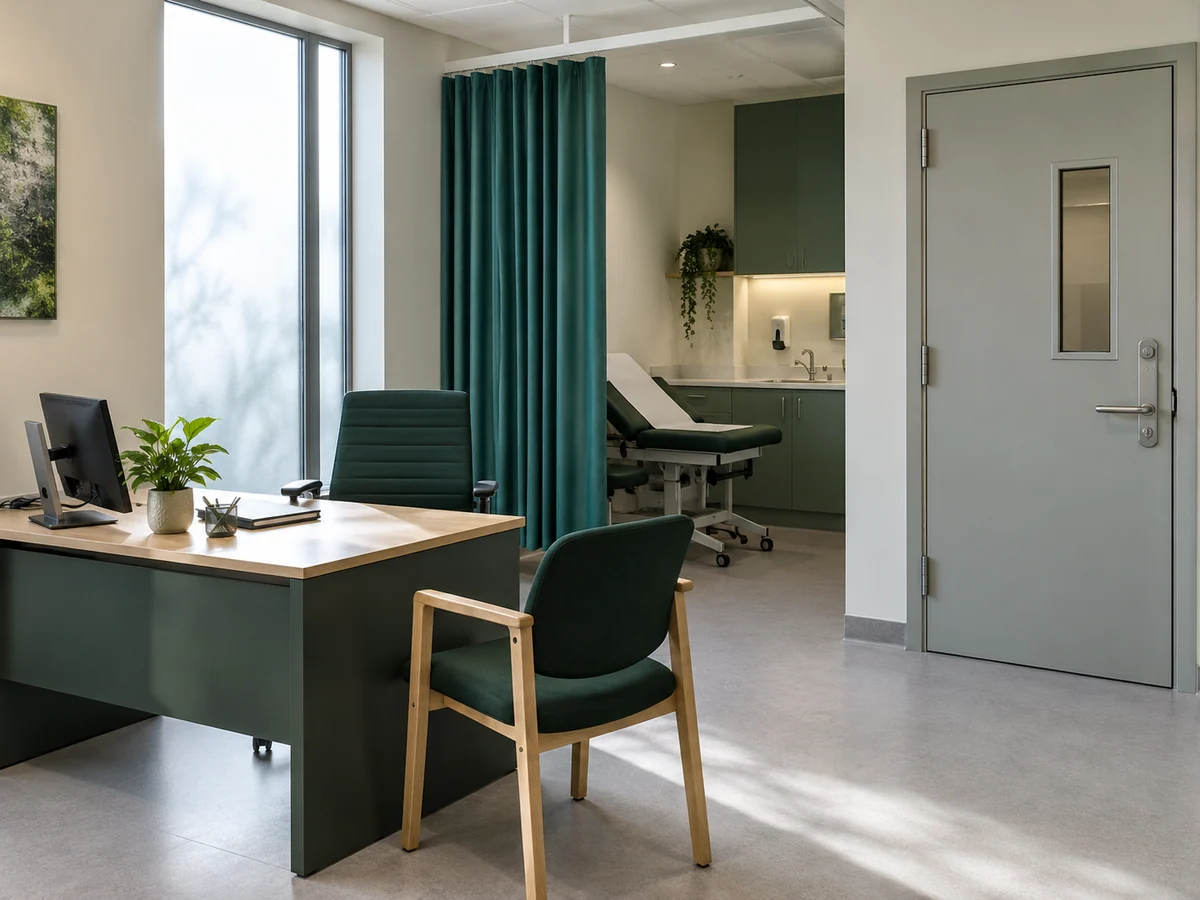

Describe the setting and responsibilities first. Then agree suitability requirements, logistics and who can authorise the booking.
1. What is the service and what work is needed?
Start with the service type, location and the reason for the requirement. State the role and the tasks that distinguish it from another assignment with the same title. Include the nursing field, medical specialty or support experience when relevant.
Describe the needs of the setting without sharing identifiable patient or resident information. A staffing brief should explain the professional requirement, not reproduce a care plan.
2. What working pattern is actually required?
Give exact dates, start and finish times and the number of people needed for each shift. Identify whether the requirement is a single shift, a defined period or a recurring pattern. Separate essential dates from flexible preferences.
Include the break arrangements and flag overnight shifts clearly. If there are several locations, specify which site applies to each booking. Changes should be confirmed with the recruitment team rather than assumed from an earlier conversation.
3. Which experience and checks are essential?
Distinguish requirements that are essential from experience that would be useful. Set out relevant professional registration, recent setting experience, training, assessed competencies and any local clearance.
DBS eligibility depends on the activities of the role, rather than the job title alone. Use the official DBS eligibility guidance and confirm the appropriate process for your service and jurisdiction. Avoid treating a generic checklist as a substitute for the role assessment.
4. What support is available on arrival?
Name the person responsible for welcoming the worker and explain the local induction. State how supervision and escalation work during the assignment, including when the usual manager is absent.
Access to the building, documentation systems and equipment should be addressed before duties begin. A competent professional still needs the information and authorisation relevant to your service.
5. Who can confirm hours and terms?
Identify the person authorised to agree rates and bookings and the person who will approve completed hours. Give the relevant purchase-order or internal reference through the agreed business process where required.
Keep the requested shift hours distinct from the actual hours later submitted. If a timesheet is inaccurate, return it with a clear reason for correction rather than approving it in the hope of changing it later.
6. How will changes be communicated?
Agree a route for changes, cancellations and urgent operational questions. Make sure the appropriate contact can be reached during the actual assignment; public office opening hours may not cover a night or weekend shift.
CMB’s employer enquiry form is a starting point. A request remains subject to discussion, suitable availability and agreed terms. For approved clients with an active portal, a staffing request can also be recorded in the client area; submitting it does not confirm cover.
Make your next step
an informed one.
Send the role, setting, dates and essential requirements to begin a staffing enquiry for your service.
Discuss your staffing briefPublished . General recruitment guidance; individual role requirements and agreed terms apply.